It is the end of the year, and I suppose I should wrap up my writing with an end of year review. By now almost everyone is suffering from a cold, flu/norovirus, credit card shock, electric or gas bill fatigue or a hangover from the New Year holiday. But first, I shall explain about the 75-acre farm in Hawaii that Santa did not bring to me for Christmas.
On the east side of the island of Hawaii is the town of Pahoa. West of Pahoa, abutting the volcano national park, a farm is for sale for a ridiculously low price. The farm produces 7 different crops, has agri-tourism income, and has a modest house built in 1991. It took a little research to find out why the sale price is low. The homes in Pahoa have very high insurance rates; Pahoa is in lava flow zone 3. Which means you are at some risk for volcanic destruction; hence the insurance costs are high. The farm is in lava flow zone 2, which is more at risk; and insurance companies won’t even consider insuring the property.
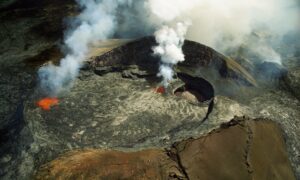 How lucky do you feel? I feel that history is on your side; the house has already survived since 1991. Is time on my side? I am no spring chicken. Is an imminent eruption about to swallow the property? If you think battling drought, floods, insects and weeds, tornadoes or blizzards on a midwestern farm is easy, how would you fare battling molten magma, volcanic ash and sulfuric gas? Perhaps our recent wind chills and this summer’s dry spells were not as bad as I thought at the time.
I should also take this time to deliver the results of this year’s crops. I wrote in an earlier article that I predicted yields of 165-bushel corn and 55-bushel soybeans. Thankfully, I was wrong. My yields were at least 20% better than I guessed. I cannot give definitive answers since I do not employ any fancy technology with weigh tickets or computer maps from the combine. Final yields will be proven when the grain is all sold and the bins empty.
After Christmas came the news of the passing of one of the Manhattan area’s stalwarts of the farming community. Don Werner was considered a Manhattan farmer; yet he split his time between Manhattan and Peotone. He was one of several people who farmed only minutes from Manhattan yet resided in the Peotone school district, effectively giving you two hometowns. He and his children went to school in Peotone, and his marriage to Debbie, a Peotone native cemented that bond.
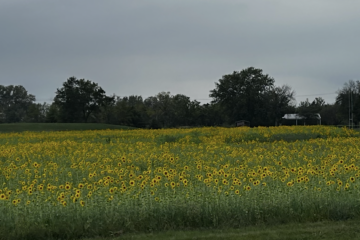
I had the pleasure of sitting with Don and Debbie at a Christmas dinner only a few weeks ago. It is bittersweet that that night will be my last conversations with him. I remember his phone call earlier this year when he questioned me about how I planted and harvested my sunflowers.
Don has completed his last harvest. His passing probably makes many of us that knew him wonder the same about ourselves. Maybe, just maybe, someday I will get to tell him what it is like to farm in Hawaii. Having volcanoes nearby would be a new twist on farming.
0 Comments